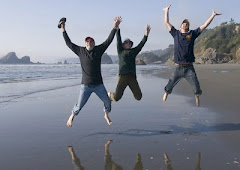
Taos lost the “closest thing to a native son a gringo can be” on February 8, 2021. My friend Bill Whaley died of a heart attack while skiing at the Taos Ski Valley with his young granddaughter. This is the way he would have wanted to go, the inveterate ski bum that he was, but I wasn’t prepared for another friend’s death. Bill and I attended too many memorials for our Taos friends and colleagues over the last few years: Butchie Denver in 2012, Ron Gardiner in 2016, and Gene Sanchez in 2019. While I memorialized him in both La Jicarita and the Taos News, I didn’t write about him here, in Unf*#!ing Believable. But I thought about him today as I was working on an article about one of the acequias in the Abeyta water rights settlement. A couple of years ago Bill and I went out to meet one of the commissioners on the acequia to take a look, and then we drove around the Taos environs, from Valdez to Arroyo Hondo, with Bill showing and telling me in detail his history with these beautiful mountain villages. Now, another comrade-in arms is dead.
Pesky Insect, aka Horse Fly, was Bill’s monthly critique of politics, art, and culture that he published from September 1999 to September 2009 and where I first met him, recruited to write articles on water issues. After Horse Fly’s demise he went online with Taos Friction, which took the Taos politicos to task on an almost daily basis, parsing Horse Fly friend Flavio’s estimation of the town: “Taos is a great place to visit but you wouldn’t want to live here.”
But Bill did live in Taos for many years and became its notorious gringo. Arriving in the 1960s as a member of the National Guard to avoid Vietnam, he gravitated to the ski slopes of Taos, forging a contentious relationship with owner Ernie Blake. He moved on to became a mostly failed entrepreneur whose ventures included the Plaza Theater, Plaza Theater Bar, Cortez Theater, Old Martinez Hall, the Taos Community Auditorium, and KVNM-FM radio, the precursor of KTAO. While he often lost his shirt and his sanity during those years of terror, he gave the Taos community downtown movies ranging from Fellini’s 8 ½ to Blazing Saddles, lots of memorable bar experiences, an Earl “Fatha” Hines concert, and a rousing production of West Side Story.
All of this is documented in his book, Gringo Lessons: Twenty Years of Terror in Taos, about which our mutual friend John Nichols had this to say in his review in Taos Friction (and that I reposed in La Jicarita):
“This wonderful autobiography is as honest as the day is long, no holds barred, no punches pulled. It’s beautifully written, highly entertaining, truly wild and wonderful even as it also may make you cringe on every other page. This pilgrim’s progress is definitely not a stroll through a summer meadow. Whaley might have done better not to have gone AWOL from the National Guard, but to have punched his ticket to Vietnam instead.”
But Bill had another life plan ahead. He left Taos in 1987 to resume a college career in his home state of Nevada. Ten years later he was back, as an ABD (all but dissertation). Thus ensued the journalism years with Horse Fly and Taos Friction. He published all my articles about the impending water battles over the Taos Pueblo (Abeyta) water adjudication, and when I served as the chair of the Taos County Public Welfare Advisory Committee, he was right there to back up my attempt to get the commission to protest water transfers that were not in best interest of the citizens of Taos County, always in language that was uniquely Bill’s: “But, when you measure the risk of litigation against the potential dollars, some $130 million, which will begin flowing into the mouths of thirsty Taosenos from the federal mammary glands, well, what can you do.”
His love of language also flowered in a late-blooming academic career as a professor of English and philosophy at UNM-Taos. He also taught independent classes on Taos history, politics, and culture, a man of all seasons.
During the long, difficult 2020 year of the pandemic he continued to teach and published many a screed about the national political scene. Over the past few weeks he became especially outraged, with posts like “The Fascists are planning a Second Coup in Plain Sight”.
For the past several years Bill skied with his granddaughter Lili up in the Valley. Initially, he was thrilled that he could beat her coming down Al’s Run. As she aged, though, and her skills improved, that became more difficult and when he told me she finally beat him, it was with both chagrin and pride. I also ski with my grandkids, but they’re younger and I’m much less an accomplished skier than Bill was. I’m not going to be doing Al’s Run with them. I don’t know if that’s where he died, but anywhere on the mountain is a fitting end, I guess, although I wish his granddaughter hadn’t been there to witness this traumatic event. And I wish he was still here.
Sunday, April 25, 2021
Wednesday, March 31, 2021
Efficiency
Naomi Klein was on Democracy Now! awhile back deconstructing what happened in Texas during the ice storm when the power grid failed. Apparently Texas is one of the few states that separated its electrical system from the national one—you know, the Lone Star State—using the rationale that it was made more efficient by reducing regulation and redundancy. But as Klein pointed out, when reducing redundancy, if that system fails it means there is no backup system to fall back on.
Oh, that nasty word, efficiency. It’s been the bete noire of the acequia system as well, which I’ve written about many times in La Jicarita. In my first article I wrote: “Ditch banks are cleared of all vegetation and more and bigger culverts carry the water more ‘efficiently’ despite the loss of riparian habitat and groundwater recharge. Ditch fees rise every year due to increased payments for cleaning, maintenance, and improvements that are decided and implemented by the commissioners, often without the approval or oversight of the rest of the parciantes.” In another article “Machine Dug Acequias” I was in a tither about coming home to find my upper acequia had been machine dug, rather than human cleaned, to a width of six feet and argued, instead of using machines, “What if we spent that money to hire folks in the community who need work and can still use a shovel?”
How does this relate to Klein’s redundancy argument? It’s all about labor and demographics. Without maintaining a work force willing to clean the ditches we have no backup system when we don’t get the funding to buy the machines and the bigger culverts that parciantes can’t afford in the first place. We’ve already experienced our kids’ mass migration from our small villages throughout el norte to Albuquerque, Española, and out of state, to find better paying jobs than their parents had. Maybe more of them would have stayed if more of their parents had themselves committed to digging the ditches instead of hiring peones to do it for them, impressing upon them that without establishing the viability of small scale agriculture we may lose the water rights parciantes have put to beneficial use for generations. Now, with no kids around and years of machine dug acequias we don’t even have the redundancy of peones who were rounded up every year to fill in the gaps.
But as author Anna Wiener in her deconstruction of the tech industry in Uncanny Valley so succinctly puts it: “Efficiency, the central value of software, was the consumer innovation of a generation.” You can substitute any number of things for “software” here: houses, cars, washing machines, books (Amazon), music, computers, all of our consumer hardware that makes our lives more efficient so we can become even better consumers. Neoliberal Reaganomics was based on the idea that the market’s only allegiance is to the consumer, that every encounter is a market transaction that makes things cheaper and more accessible. Efficiency makes sure that neither regulation nor redundancy can interfere in those transactions (like getting your package from Amazon Prime the next day). The end result, as Tim Koechlin puts it in his article “ Neoliberalism doesn’t care: “Neoliberalism is the neglect of the commons. Neoliberalism is the denial of the commons. Neoliberalism is the insistence that protecting the commons is wasteful and inefficient. Neoliberalism is the sale of the commons to the highest bidder (my emphasis).”
Oh, that nasty word, efficiency. It’s been the bete noire of the acequia system as well, which I’ve written about many times in La Jicarita. In my first article I wrote: “Ditch banks are cleared of all vegetation and more and bigger culverts carry the water more ‘efficiently’ despite the loss of riparian habitat and groundwater recharge. Ditch fees rise every year due to increased payments for cleaning, maintenance, and improvements that are decided and implemented by the commissioners, often without the approval or oversight of the rest of the parciantes.” In another article “Machine Dug Acequias” I was in a tither about coming home to find my upper acequia had been machine dug, rather than human cleaned, to a width of six feet and argued, instead of using machines, “What if we spent that money to hire folks in the community who need work and can still use a shovel?”
How does this relate to Klein’s redundancy argument? It’s all about labor and demographics. Without maintaining a work force willing to clean the ditches we have no backup system when we don’t get the funding to buy the machines and the bigger culverts that parciantes can’t afford in the first place. We’ve already experienced our kids’ mass migration from our small villages throughout el norte to Albuquerque, Española, and out of state, to find better paying jobs than their parents had. Maybe more of them would have stayed if more of their parents had themselves committed to digging the ditches instead of hiring peones to do it for them, impressing upon them that without establishing the viability of small scale agriculture we may lose the water rights parciantes have put to beneficial use for generations. Now, with no kids around and years of machine dug acequias we don’t even have the redundancy of peones who were rounded up every year to fill in the gaps.
But as author Anna Wiener in her deconstruction of the tech industry in Uncanny Valley so succinctly puts it: “Efficiency, the central value of software, was the consumer innovation of a generation.” You can substitute any number of things for “software” here: houses, cars, washing machines, books (Amazon), music, computers, all of our consumer hardware that makes our lives more efficient so we can become even better consumers. Neoliberal Reaganomics was based on the idea that the market’s only allegiance is to the consumer, that every encounter is a market transaction that makes things cheaper and more accessible. Efficiency makes sure that neither regulation nor redundancy can interfere in those transactions (like getting your package from Amazon Prime the next day). The end result, as Tim Koechlin puts it in his article “ Neoliberalism doesn’t care: “Neoliberalism is the neglect of the commons. Neoliberalism is the denial of the commons. Neoliberalism is the insistence that protecting the commons is wasteful and inefficient. Neoliberalism is the sale of the commons to the highest bidder (my emphasis).”
Sunday, February 28, 2021
The Wokeness of Nomadland
Autofiction has now moved from literature to the movies. Nomadland, featuring the indubitable Frances McDormand (who redeemed herself in my eyes after the horrendous “Three Billboards Outside Ebbings, Missouri”), mixes up real life people with actors who drive around the west in their RVs and vans and school buses as nomadic refugees from capitalism. The movie doesn’t play up the class issue but it’s why they’re on the road “houseless” as Fern (Frances) calls it, looking for community.
Fern’s husband worked at the sheetrock plant in Empire, Nevada, where they lived for decades. After he dies and the plant closes in 2011, she’s kicked out of the company house and on the road in her outfitted van she names “Vanguard.” She works temp jobs at Amazon in Nevada, a campground in Badlands National Park in South Dakota, a sugar beet farm in Nebraska, and a restaurant cook, also in South Dakota. But the best parts of the movie are when she migrates to the Arizona encampment run by Bob, a real life nomad, where others come together to share information, food, and friendship with the likes of Linda May and Swankie, also real life nomads.
I was completely engaged throughout the movie where not much happens. It won awards at the Toronto and Venice film festivals and got glowing reviews from the LA Times and the New York Times. But then came the complaints. Now we’re all entitled to our opinions, of course, and Richard Brody in The New Yorker let it be known that he didn’t think the juxtaposition of real life/fiction worked and complained that the documentary part was hackneyed and in the fictional part characters weren’t fully developed, nobody got to talk enough, all the usual complaints about movies that don’t follow the accepted narrative of plot and character development. Talking to my friend Terri about his review she exclaimed: “Swankie is the classic old lesbian hippie. I’d know her anywhere. And Fern doesn’t need to talk. She listens.”
But then came the other complaints that painfully reveal how cancel culture and identity politics have diminished critical thinking about content and aesthetics (you’re so right, Jakob). First came the class issues: how could this movie portray oppressed people having a good time doing their own thing, finding spiritual support at the Arizona encampment, and actually wanting to be a nomad? What a betrayal of class politics.
Then came the complaint that while the movie shows Fern and Linda May working at dead end Amazon warehouses it doesn’t talk about the movement to organize a union that’s now playing out at Amazon in Alabama. Fern and Linda May are in the warehouse in Nevada. They’re trying to make enough money so they can buy gas and groceries to get to Arizona. They don’t know anything about union organizing, but failing to mention it is somehow class betrayal.
Next came the race card. Here we finally have a story centered on working class women, who yes, are white, but the movie is based on a book by journalist Jessica Bruder who wrote about the actual plant that closed in Empire, Nevada, that mostly employed white people because that’s the demographic of Empire, Nevada. So when Fern goes to the Badlands National Park in South Dakota to work as a campground host a Native American academic posts on Facebook that she immediately quit watching the movie that she “initially liked” because there weren’t any Indians in it. This is Indian Country and how can the director not make sure that Indians are part of the conversation? It reminded me of the same kind of criticism leveled at Kenneth Lonergan’s “Manchester By the Sea” that there weren’t any black people in it. The movie takes place in a working class town in upstate Massachusetts where the demographic is white. I thought the critique was a joke, but it wasn’t.
Scrolling through Rotten Tomatoes “Top Critics” reviews it looks like The New Yorker is the single negative mainstream review. The rest come in from the woke world out there, immersed in their bubbles of correctness.
Fern’s husband worked at the sheetrock plant in Empire, Nevada, where they lived for decades. After he dies and the plant closes in 2011, she’s kicked out of the company house and on the road in her outfitted van she names “Vanguard.” She works temp jobs at Amazon in Nevada, a campground in Badlands National Park in South Dakota, a sugar beet farm in Nebraska, and a restaurant cook, also in South Dakota. But the best parts of the movie are when she migrates to the Arizona encampment run by Bob, a real life nomad, where others come together to share information, food, and friendship with the likes of Linda May and Swankie, also real life nomads.
I was completely engaged throughout the movie where not much happens. It won awards at the Toronto and Venice film festivals and got glowing reviews from the LA Times and the New York Times. But then came the complaints. Now we’re all entitled to our opinions, of course, and Richard Brody in The New Yorker let it be known that he didn’t think the juxtaposition of real life/fiction worked and complained that the documentary part was hackneyed and in the fictional part characters weren’t fully developed, nobody got to talk enough, all the usual complaints about movies that don’t follow the accepted narrative of plot and character development. Talking to my friend Terri about his review she exclaimed: “Swankie is the classic old lesbian hippie. I’d know her anywhere. And Fern doesn’t need to talk. She listens.”
But then came the other complaints that painfully reveal how cancel culture and identity politics have diminished critical thinking about content and aesthetics (you’re so right, Jakob). First came the class issues: how could this movie portray oppressed people having a good time doing their own thing, finding spiritual support at the Arizona encampment, and actually wanting to be a nomad? What a betrayal of class politics.
Then came the complaint that while the movie shows Fern and Linda May working at dead end Amazon warehouses it doesn’t talk about the movement to organize a union that’s now playing out at Amazon in Alabama. Fern and Linda May are in the warehouse in Nevada. They’re trying to make enough money so they can buy gas and groceries to get to Arizona. They don’t know anything about union organizing, but failing to mention it is somehow class betrayal.
Next came the race card. Here we finally have a story centered on working class women, who yes, are white, but the movie is based on a book by journalist Jessica Bruder who wrote about the actual plant that closed in Empire, Nevada, that mostly employed white people because that’s the demographic of Empire, Nevada. So when Fern goes to the Badlands National Park in South Dakota to work as a campground host a Native American academic posts on Facebook that she immediately quit watching the movie that she “initially liked” because there weren’t any Indians in it. This is Indian Country and how can the director not make sure that Indians are part of the conversation? It reminded me of the same kind of criticism leveled at Kenneth Lonergan’s “Manchester By the Sea” that there weren’t any black people in it. The movie takes place in a working class town in upstate Massachusetts where the demographic is white. I thought the critique was a joke, but it wasn’t.
Scrolling through Rotten Tomatoes “Top Critics” reviews it looks like The New Yorker is the single negative mainstream review. The rest come in from the woke world out there, immersed in their bubbles of correctness.
Monday, February 15, 2021
Upstairs Maude
My cat Maude lives upstairs. That is, she never ventures downstairs where most of the action is: cooking and eating, working on my laptop, reading, listening to music, hanging with the dogs. The dogs may be why Maude remains upstairs, but there are other factors at play, I think.
I “rescued” Maude from my neighbor Matthew’s house, where she was contending with a puppy and a kitten by hiding under any furniture inaccessible to the puppy and kitten. Matthew had taken Maude in due to her previous owner’s allergies—no information beyond that as to age, previous tenure, etc. Seeing as how she has to claw the spread to climb up the beds where she spends most of her days, I suspect she’s an old gal. But once there, she’s an affectionate bedtime partner, snuggling up to convey warmth both ways.
Cats in El Valle are an endangered species due to coyotes and owls (and unfriendly dogs) so it’s good Maude lives upstairs. As a guilty enabler, I’ve had plenty of them over the years—both here and in Placitas, another dangerous rural environment—who had to navigate these dangers. It all began with Alley Cat, a little gray girl who facilitated my relationship with Mark, my partner of 34 years, way back in 1976. At the time I was working as the fire lookout on Mount Taylor and I took Alley with me to the tower (I also took my dogs Chani and Judge). She played on the catwalk surrounding my tiny little room and I tucked her in my jacket on evening walks. But one week when I left her home with my roommates, I came home to find she’d been poisoned, probably with antifreeze, and the vet couldn’t save her. Mark was with me at the vet’s and stayed with me while I grieved.
Mark had two cats himself, Belle and Pie, so when we moved in together in Placitas, we had a full household of cats and dogs. But it soon expanded. A young yellow tabby showed up one day and decided to stay. During one of her climbing forays she knocked over a bottle of salad dressing that drenched her, thus becoming her name. Next, a beautiful gray guy decided he preferred living with us rather than our neighbor, who graciously relinquished him. We named him Merle. While living in the village we started building a house out near Tunnel Springs. That’s where Cisco turned up one day, a short-haired gray tabby who we of course brought home.
No, we didn’t have five cats at one time. Belle and Pie were fairly old cats and we lost them to age as we accumulated Salad Dressing, Merle, and Cisco. And we didn’t get to have Cisco very long. He had a very weird habit of sleeping over the back of a chair, standing on his hind lets with his head and front paws hanging down. It turned out he had a tear in one of his heart valves and this position allowed him to breathe better. But the tear got worse and he struggled more and more to breathe, which resulted in one of those horrible situations most of us with animals have had to confront: whether to have the vet put him down. When the vet told us he couldn’t fix the tear, we had to say goodbye.
Fern showed up next. A long-haired gray tabby, she was one of my all-time favorites—sweet, affectionate, yet fearless and independent. When we moved out of the Placitas village to the new house, she’d go for walks with us into the forest, warily darting from tree to tree in case those coyotes or owls were watching. Neither Fern nor Merle did well with the move from the village to new house and decided numerous times to return to their home of origin. This is a fairly common occurrence with cats, but Merle took it to the nth degree: I think we drove back to retrieve him at least 10 or 15 times. He finally decided to stay.
While we loved living next to the forest, it’s probably why we eventually lost Merle, Fern, and Salad Dressing, who all disappeared without a trace. So by the time we gave it all up and moved from Placitas to El Valle—my book Culture Clash: Environmental Politics in New Mexico Forest Communities, documents in excruciating detail why we left—we had no cats. Alas, that was not to last. My friend Susan Larson, a veterinarian, gave us a going away present of two tortoise shell sisters whom we named Thelma and Louise. Thelma disappeared within months of our relocation, but Louise lived to a ripe old age of 15 because she, like Maude, liked living inside (though Louise did venture downstairs).
The tale of many cats continued during our almost 30 year residency in El Valle. Honus, named by younger son Max who was besotted with baseball cards (named for Honus Wagner, slugger for the Pittsburgh Pirates) showed up one day and became one of our favorites. He was also well liked by our neighbor Tomás, whom he would visit to hunt gophers, or “rattas,” as Tomás called them. We had Honus for a good number of years and were heartbroken when he, too, disappeared.
We also took in Blanche, a black feral cat that Mark’s sister-in-law dumped on us while visiting. She found her lurking around our friend’s house where she was staying for the visit and figured Blanche could be domesticated. She couldn’t. While she came in the house to eat and sleep, she basically lived outdoors and disdained human contact. She soon disappeared.
Then we took in Ernie, a black and white kitten who was sweet and playful, which extended to putting his head in our dog Django’s mouth as they rolled around the living room floor. But one day Ernie took sick and we took him to the emergency vet in Taos, who announced that he had cancer and was dying. The vet put him down and in shock we brought him home to bury. Max was completely caught off guard and distraught that we came home with a dead cat. It was probably one of the first times he’d been around a dead creature; he cried and cried.
After the kids left home we acquired an orange tabby named Mavis from a young friend who went off to work for the Forest Service. Mavis exemplified what is lovely about orange tabbies: affectionate, smart, independent, and quirky.
After Mavis disappeared, I swore off cats. I was by myself by then (Mark died in 2010) and didn’t need any more heartbreak. Suffice it to say, I ended up taking in several more cats for short term stays that I won’t go into detail about as it’s all too depressing. Maude is here, though, safe and sound upstairs. Even though she doesn’t come downstairs, the mice in the house seem to have sensed a cat is in the hood and have disappeared. And bird lovers can’t chastise me for having an indoor/outdoor cat. But reading back through this post I’m appalled: in my almost 50 years of rural residency I’ve had eighteen cats (OK, I’m admitting to the three I took in after swearing them off)! My friend Jan, who lives in town, has had two over the course of almost 40 years (long lived cats). My only defense is that I never actively solicited any of them. They came to me (and to Mark). While it means I have a soft heart, it also means that in the larger scheme of things the human population is not dealing very well with the cat population and should probably heed the bird lovers’ advice and stop domesticating them. In the meantime, I hope the universe does not send me any more cats.
I “rescued” Maude from my neighbor Matthew’s house, where she was contending with a puppy and a kitten by hiding under any furniture inaccessible to the puppy and kitten. Matthew had taken Maude in due to her previous owner’s allergies—no information beyond that as to age, previous tenure, etc. Seeing as how she has to claw the spread to climb up the beds where she spends most of her days, I suspect she’s an old gal. But once there, she’s an affectionate bedtime partner, snuggling up to convey warmth both ways.
Cats in El Valle are an endangered species due to coyotes and owls (and unfriendly dogs) so it’s good Maude lives upstairs. As a guilty enabler, I’ve had plenty of them over the years—both here and in Placitas, another dangerous rural environment—who had to navigate these dangers. It all began with Alley Cat, a little gray girl who facilitated my relationship with Mark, my partner of 34 years, way back in 1976. At the time I was working as the fire lookout on Mount Taylor and I took Alley with me to the tower (I also took my dogs Chani and Judge). She played on the catwalk surrounding my tiny little room and I tucked her in my jacket on evening walks. But one week when I left her home with my roommates, I came home to find she’d been poisoned, probably with antifreeze, and the vet couldn’t save her. Mark was with me at the vet’s and stayed with me while I grieved.
Mark had two cats himself, Belle and Pie, so when we moved in together in Placitas, we had a full household of cats and dogs. But it soon expanded. A young yellow tabby showed up one day and decided to stay. During one of her climbing forays she knocked over a bottle of salad dressing that drenched her, thus becoming her name. Next, a beautiful gray guy decided he preferred living with us rather than our neighbor, who graciously relinquished him. We named him Merle. While living in the village we started building a house out near Tunnel Springs. That’s where Cisco turned up one day, a short-haired gray tabby who we of course brought home.
No, we didn’t have five cats at one time. Belle and Pie were fairly old cats and we lost them to age as we accumulated Salad Dressing, Merle, and Cisco. And we didn’t get to have Cisco very long. He had a very weird habit of sleeping over the back of a chair, standing on his hind lets with his head and front paws hanging down. It turned out he had a tear in one of his heart valves and this position allowed him to breathe better. But the tear got worse and he struggled more and more to breathe, which resulted in one of those horrible situations most of us with animals have had to confront: whether to have the vet put him down. When the vet told us he couldn’t fix the tear, we had to say goodbye.
Fern showed up next. A long-haired gray tabby, she was one of my all-time favorites—sweet, affectionate, yet fearless and independent. When we moved out of the Placitas village to the new house, she’d go for walks with us into the forest, warily darting from tree to tree in case those coyotes or owls were watching. Neither Fern nor Merle did well with the move from the village to new house and decided numerous times to return to their home of origin. This is a fairly common occurrence with cats, but Merle took it to the nth degree: I think we drove back to retrieve him at least 10 or 15 times. He finally decided to stay.
While we loved living next to the forest, it’s probably why we eventually lost Merle, Fern, and Salad Dressing, who all disappeared without a trace. So by the time we gave it all up and moved from Placitas to El Valle—my book Culture Clash: Environmental Politics in New Mexico Forest Communities, documents in excruciating detail why we left—we had no cats. Alas, that was not to last. My friend Susan Larson, a veterinarian, gave us a going away present of two tortoise shell sisters whom we named Thelma and Louise. Thelma disappeared within months of our relocation, but Louise lived to a ripe old age of 15 because she, like Maude, liked living inside (though Louise did venture downstairs).
The tale of many cats continued during our almost 30 year residency in El Valle. Honus, named by younger son Max who was besotted with baseball cards (named for Honus Wagner, slugger for the Pittsburgh Pirates) showed up one day and became one of our favorites. He was also well liked by our neighbor Tomás, whom he would visit to hunt gophers, or “rattas,” as Tomás called them. We had Honus for a good number of years and were heartbroken when he, too, disappeared.
We also took in Blanche, a black feral cat that Mark’s sister-in-law dumped on us while visiting. She found her lurking around our friend’s house where she was staying for the visit and figured Blanche could be domesticated. She couldn’t. While she came in the house to eat and sleep, she basically lived outdoors and disdained human contact. She soon disappeared.
Then we took in Ernie, a black and white kitten who was sweet and playful, which extended to putting his head in our dog Django’s mouth as they rolled around the living room floor. But one day Ernie took sick and we took him to the emergency vet in Taos, who announced that he had cancer and was dying. The vet put him down and in shock we brought him home to bury. Max was completely caught off guard and distraught that we came home with a dead cat. It was probably one of the first times he’d been around a dead creature; he cried and cried.
After the kids left home we acquired an orange tabby named Mavis from a young friend who went off to work for the Forest Service. Mavis exemplified what is lovely about orange tabbies: affectionate, smart, independent, and quirky.
After Mavis disappeared, I swore off cats. I was by myself by then (Mark died in 2010) and didn’t need any more heartbreak. Suffice it to say, I ended up taking in several more cats for short term stays that I won’t go into detail about as it’s all too depressing. Maude is here, though, safe and sound upstairs. Even though she doesn’t come downstairs, the mice in the house seem to have sensed a cat is in the hood and have disappeared. And bird lovers can’t chastise me for having an indoor/outdoor cat. But reading back through this post I’m appalled: in my almost 50 years of rural residency I’ve had eighteen cats (OK, I’m admitting to the three I took in after swearing them off)! My friend Jan, who lives in town, has had two over the course of almost 40 years (long lived cats). My only defense is that I never actively solicited any of them. They came to me (and to Mark). While it means I have a soft heart, it also means that in the larger scheme of things the human population is not dealing very well with the cat population and should probably heed the bird lovers’ advice and stop domesticating them. In the meantime, I hope the universe does not send me any more cats.
Friday, February 12, 2021
On Getting the Vaccine and Being White
I was given the Moderna vaccine at Las Clinicas del Norte in El Rito yesterday because I’m old, immune compromised, and white. I’m not casting aspersions on the El Rito Clinic, as it has probably inoculated more Hispano and Native American people than just about any provider in New Mexico. We’re blessed with a relatively good rural health care system in el norte that reaches into many areas that suffer other kinds of inaccessibility. It’s just that I found out the clinic was vaccinating from my network of white friends.
I’m talking about being white in the world. This discussion has been in the crossfire lately between the pro- and anti- cancel culture crowds over the legacy of white privilege and the absolutism of first amendment and civil liberties. On the one hand, there’s a movement to chastise, censor, and fire white people who do stuff that’s reactionary, bigoted, racist, misogynist, or any number of things that are deemed denigrating to the liberal code. On the other hand, there are those who see the actions that big tech companies have taken to kick these people off their platforms, or newspapers that have fired columnists or editors for these “indiscretions,” is an abrogation of their first amendment and civil rights.
This is all quite complicated and I’ve written before about it, in my #MeToo Part 2, December 14, 2017, of the difference between Roy Moore of Alabama, a pedophile who ran for the U.S. Senate, and Al Franken, a sitting senator who committed stupid “sexual misconduct.” Then there’s the incident where Arkansas Senator Tom Cotton wrote an editorial in the NYT saying President Trump should invoke the Insurrection Act to put down protests across the country after the murder of George Floyd, that resulted in the editorial page director being forced to resign (I just saw where he was rehired by The Economist).
When you make a distinction between depravity/immorality, and misconduct, then you need to also figure out where to draw the line between what constitutes free speech and what constitutes incitement. I doubt that Cotton’s editorial rises to the level of “incitement,” but what about the Proud Boys in Charlottesville who chanted, along with other neo-Nazis and anti-Semites “Seig heil,” “blood and soil,” and “You will not replace us.” That’s the first time I remember thinking, as a card carrying ACLU member, that maybe there were limits to free speech. Here’s what the First Amendment guarantees: “The First Amendment guarantees freedoms concerning religion, expression, assembly, and the right to petition. It forbids Congress from both promoting one religion over others and also restricting an individual’s religious practices. It guarantees freedom of expression by prohibiting Congress from restricting the press or the rights of individuals to speak freely. It also guarantees the right of citizens to assemble peaceably and to petition their government.”
The Charlottesville protestors didn’t assemble peaceably. They beat up the counter demonstrators, they almost beat up Cornell West, and one of them killed a woman with a car. Was this protected free speech and if not, should the authorities have arrested all of them (the city tried to deny a march permit but they marched anyway)? Some ACLU folks raised this issue, but not Glenn Greenwald, former constitutional lawyer turned journalist. Writing in the Intercept, which he co-founded but has now left for Substack: “ . . . those who favor free speech suppression, or who oppose the ACLU’s universal defense of speech rights, will create results that are the exact opposite of those they claim to want. It’s an indescribably misguided strategy that will inevitably victimize themselves and their own views.” By exact opposites, he of course means the dangers of suppressing the free speech of the left.
Journalist Matt Taibbi is Greenwald’s partner in protest over the abrogation of free speech and the promotion of cancel culture. When YouTube announced in December of 2021 that it was removing any content that misleads people into thinking there was widespread fraud in the 2020 Presidential election, Taibbi claimed there wasn’t a “better way to further radicalize Trump voters.” Same argument for Twitter blocking Trump’s tweets. While they both acknowledge that Silicon Valley tech companies are monopolies that should have never accumulated the power they have to disseminate misinformation, it’s even more insidious if they are endowed with the power to suppress speech, no matter how misinformed or incendiary.
So where do you stand on this? Did kicking Trump off Twitter for insisting the election was a fraud help staunch the dissemination of propaganda? Was it too late? Should it have been done sooner? Did it recruit more crazies? We’ll have to leave it to the pundits to keep trying to find the answer.
I’m talking about being white in the world. This discussion has been in the crossfire lately between the pro- and anti- cancel culture crowds over the legacy of white privilege and the absolutism of first amendment and civil liberties. On the one hand, there’s a movement to chastise, censor, and fire white people who do stuff that’s reactionary, bigoted, racist, misogynist, or any number of things that are deemed denigrating to the liberal code. On the other hand, there are those who see the actions that big tech companies have taken to kick these people off their platforms, or newspapers that have fired columnists or editors for these “indiscretions,” is an abrogation of their first amendment and civil rights.
This is all quite complicated and I’ve written before about it, in my #MeToo Part 2, December 14, 2017, of the difference between Roy Moore of Alabama, a pedophile who ran for the U.S. Senate, and Al Franken, a sitting senator who committed stupid “sexual misconduct.” Then there’s the incident where Arkansas Senator Tom Cotton wrote an editorial in the NYT saying President Trump should invoke the Insurrection Act to put down protests across the country after the murder of George Floyd, that resulted in the editorial page director being forced to resign (I just saw where he was rehired by The Economist).
When you make a distinction between depravity/immorality, and misconduct, then you need to also figure out where to draw the line between what constitutes free speech and what constitutes incitement. I doubt that Cotton’s editorial rises to the level of “incitement,” but what about the Proud Boys in Charlottesville who chanted, along with other neo-Nazis and anti-Semites “Seig heil,” “blood and soil,” and “You will not replace us.” That’s the first time I remember thinking, as a card carrying ACLU member, that maybe there were limits to free speech. Here’s what the First Amendment guarantees: “The First Amendment guarantees freedoms concerning religion, expression, assembly, and the right to petition. It forbids Congress from both promoting one religion over others and also restricting an individual’s religious practices. It guarantees freedom of expression by prohibiting Congress from restricting the press or the rights of individuals to speak freely. It also guarantees the right of citizens to assemble peaceably and to petition their government.”
The Charlottesville protestors didn’t assemble peaceably. They beat up the counter demonstrators, they almost beat up Cornell West, and one of them killed a woman with a car. Was this protected free speech and if not, should the authorities have arrested all of them (the city tried to deny a march permit but they marched anyway)? Some ACLU folks raised this issue, but not Glenn Greenwald, former constitutional lawyer turned journalist. Writing in the Intercept, which he co-founded but has now left for Substack: “ . . . those who favor free speech suppression, or who oppose the ACLU’s universal defense of speech rights, will create results that are the exact opposite of those they claim to want. It’s an indescribably misguided strategy that will inevitably victimize themselves and their own views.” By exact opposites, he of course means the dangers of suppressing the free speech of the left.
Journalist Matt Taibbi is Greenwald’s partner in protest over the abrogation of free speech and the promotion of cancel culture. When YouTube announced in December of 2021 that it was removing any content that misleads people into thinking there was widespread fraud in the 2020 Presidential election, Taibbi claimed there wasn’t a “better way to further radicalize Trump voters.” Same argument for Twitter blocking Trump’s tweets. While they both acknowledge that Silicon Valley tech companies are monopolies that should have never accumulated the power they have to disseminate misinformation, it’s even more insidious if they are endowed with the power to suppress speech, no matter how misinformed or incendiary.
So where do you stand on this? Did kicking Trump off Twitter for insisting the election was a fraud help staunch the dissemination of propaganda? Was it too late? Should it have been done sooner? Did it recruit more crazies? We’ll have to leave it to the pundits to keep trying to find the answer.
Monday, January 25, 2021
Rightwing Populism, or Anti-Populism Writ Large
One hundred and twenty-four years ago the Populist Party collaborated with the Democratic Party and ran the young radical William Jennings Bryan for president of the United States on the Democratic ticket against Republican William McKinley. His platform: “There are those who believe that, if you will only legislate to make the well-do-do prosperous, their prosperity will leak through to those below. . . . if you legislate to make the masses prosperous, their prosperity will find its way up through every class which rests upon them.” This, of course, turned out the entire business class against him—journalists, academics, clergy, and vast amounts of Republican money—and McKinley won the election.
In 2016 Independent Party member Bernie Sanders collaborated with the Democratic Party and was screwed by not only the entire business class but by the Democratic Party as well. Bernie’s platform: support the working class by unending an economic system that supposedly “leaks to those below”—in today’s parlance called “trickle down economics”—with one that yes, makes the masses prosperous.
In between, we had the New Deal with FDR, which conquered the Great Depression, discredited capitalism around the world, established a safety net, strengthened unions, and created a middleclass America, where auto workers and construction workers could afford to buy the things they built.
Today, the only time the word “populism” is used is to describe the populist right, signified by Donald Trump. Instead of reflecting a progressive economic agenda to empower the working class, it’s associated with authoritarianism, bigotry, anti-immigration, deregulation, and tax cuts for the rich.
On the campaign trail, Donald Trump was planning a similar game to the one Steve Bannon cooked up: citing the financial crisis and the bailouts as the “inciting incident” for the global populist rebellion he wanted to lead (Thomas Frank, The People, No: a brief history of anti-populism). On the issue of trade, for example, Trump took an unusual stance for a Republican, constantly criticizing NAFTA and trade with China, the bêtes-noires of organized labor, and reaching out to alienated white, working-class voters, the rank and file of so may historical protest movements. He said he cared so very much about the people of the deindustrialized zones and their sufferings. He claimed to feel for the victims of the opioid crisis.
And then . . . the working-class hero in the Oval Office delivered a landmark tax cut for the rich. Trump deregulated Wall Street banks, too. With his attacks on Obamacare, the president did his part to make our capitalistic system just a little more brutal and Darwinian for ordinary people. He turned over the judiciary to the elites of the Federalist Society. He turned over the economy to the Chamber of Commerce. He turned the EPA over to polluters. He ran the US government in a way designed to enrich and empower himself. The one leadership task to which Trump took with enthusiasm—rolling back the regulatory state—is essentially an attack on one of the few institutions in Washington designed to help working-class Americans. If this is populism, the word has truly come to mean nothing.
Now that Trump is banished to Mar-a-Lago we have senators Josh Hawley and Ted Cruz ready to pick up the populist cause claiming Republicans represent the “party of the working class.” It’s enough to make you an anarchist: Republicans and Democrats alike spinning their claims like Rumpelstiltskin spinning straw into gold.
In 2016 Independent Party member Bernie Sanders collaborated with the Democratic Party and was screwed by not only the entire business class but by the Democratic Party as well. Bernie’s platform: support the working class by unending an economic system that supposedly “leaks to those below”—in today’s parlance called “trickle down economics”—with one that yes, makes the masses prosperous.
In between, we had the New Deal with FDR, which conquered the Great Depression, discredited capitalism around the world, established a safety net, strengthened unions, and created a middleclass America, where auto workers and construction workers could afford to buy the things they built.
Today, the only time the word “populism” is used is to describe the populist right, signified by Donald Trump. Instead of reflecting a progressive economic agenda to empower the working class, it’s associated with authoritarianism, bigotry, anti-immigration, deregulation, and tax cuts for the rich.
On the campaign trail, Donald Trump was planning a similar game to the one Steve Bannon cooked up: citing the financial crisis and the bailouts as the “inciting incident” for the global populist rebellion he wanted to lead (Thomas Frank, The People, No: a brief history of anti-populism). On the issue of trade, for example, Trump took an unusual stance for a Republican, constantly criticizing NAFTA and trade with China, the bêtes-noires of organized labor, and reaching out to alienated white, working-class voters, the rank and file of so may historical protest movements. He said he cared so very much about the people of the deindustrialized zones and their sufferings. He claimed to feel for the victims of the opioid crisis.
And then . . . the working-class hero in the Oval Office delivered a landmark tax cut for the rich. Trump deregulated Wall Street banks, too. With his attacks on Obamacare, the president did his part to make our capitalistic system just a little more brutal and Darwinian for ordinary people. He turned over the judiciary to the elites of the Federalist Society. He turned over the economy to the Chamber of Commerce. He turned the EPA over to polluters. He ran the US government in a way designed to enrich and empower himself. The one leadership task to which Trump took with enthusiasm—rolling back the regulatory state—is essentially an attack on one of the few institutions in Washington designed to help working-class Americans. If this is populism, the word has truly come to mean nothing.
Now that Trump is banished to Mar-a-Lago we have senators Josh Hawley and Ted Cruz ready to pick up the populist cause claiming Republicans represent the “party of the working class.” It’s enough to make you an anarchist: Republicans and Democrats alike spinning their claims like Rumpelstiltskin spinning straw into gold.
Thursday, January 21, 2021
Nineties Feel Good Movies
When the pandemic hit in March of 2020 my son Max, 31 at the time, was living in Santa Fe. Just as so many other Gen X and millennial livelihoods and lifestyles (I don’t like to use that word but I’m afraid it does kind of apply to many in these age groups) were severely impacted by the stay-at-home restrictions and shutdowns, so was Max. He made it through the summer, riding his bike, meeting a small group of friends at outside parties, hanging with Jakob, Lulu, Marcos and me in the park, and playing poker on a few websites that still exist (online poker was shut down in the U.S., forcing Max to play at casinos).
But as winter came on bringing renewed shut downs, he started coming up to El Valle to stay with me for a few days to decompress. Max, raised as was Jakob, in an environment where the main forms of entertainment were hiking and backpacking in the summer and skiing in the winter, substituted these activities as an adult with city ones: going to the gym, movies, parties, restaurants and bars. To my surprise, he discovered that he actually liked being here, walking my dogs, whom he loves (he desperately wants a dog of his own), bringing in the wood, then cross-country and downhill skiing with me once the snow fell (not enough yet).
We also found an indoor activity in which we could indulge: watching 90s feel good movies. I’ve often watched these movies, geared to a general audience before the onslaught of super hero movies (only Star Wars), as an antidote to the blues, with their familiar movie stars, their funny/sad narratives, their blur between the ordinary and extraordinary. Max, jangled enough by the events of the day, found that they worked wonders on his nerves as well.
We started with High Fidelity. There may be no greater comedic role than the one Jack Black creates as the clerk in the vinyl record shop who doesn’t let customers buy any music he thinks is crap. If he had his druthers, it wouldn’t be in the shop in the first place, but the boss of the shop is John Cusack, who also has impeccable musical taste but is a little less judgmental. Max kept calling him a jerk as he meets up with former girlfriends to explore the demise of their relationships as a means of parsing the one he’s just fucked up. But I love John Cusack, not only for the quirky roles he plays in the movies but the role he plays in real life: he went with Arundhahti Roy and Daniel Ellsberg to interview Edward Snowden stuck in Moscow after his release of National Security Administration documents revealing the extent of national surveillance and war crimes. The sound track of the movie, is, of course, straight out of my playlists, which Cusack makes endlessly, like I do, of songs that are the records of our lives.
We next watched Moonstruck, which apparently thousands, if not millions, of other people in America were also watching during the pandemic. There were articles in the New York Times Magazine (Wesley Morris) and in the New Yorker about the joy of watching Cher kick the can down the streets of Brooklyn after going to the opera with Nicholas Cage (they are both stunningly beautiful). It’s basically an Italian soap opera that plays fast and loose with reality: Cher agrees to marry Johnny Cammareri, whom she doesn’t love, and then agrees to marry Ronny Cammareri, his brother, after knowing him for two days. But it seeps right into your heart as scene after scene is exquisitely played by the likes of Vincent Gardenia, Cher’s father, who makes a very good living as a plumber by convincing clients they need copper pipes; Olympia Dukakis, Cher’s mother, who wants to know why men cheat on women (her husband is having an affair); and John Mahoney as the clueless NYU professor who keeps getting drinks thrown in his face by young students he’s trying to seduce.
We went onto the The Paper, Michael Keaton’s best movie, IMHO, with the wonderful Marisa Tomei, and Groundhog Day. There’s not much I can add to the latter’s position in the movie canon: “Fantasies work because at some level they act as a metaphor and help us relate to the real life. And the best way a fantasy could work is to be subtle and allow the viewer to make his own metaphor. Groundhog Day is in that way, a great movie. It plays like a comedy while giving a feel of philosophical undercurrents which resonate deeply within us.” (Nallasivan Valasubramanian). There are many more movies to be had: Crimes of the Heart, Ferris Bueller’s Day Off, and An Ideal Husband, to name a few. I have them all on VHS if you can’t find them on Netflix or Hulu or Criterion or wherever. There’s something to be said for keeping your own video library. Let me know if you want to borrow one.
But as winter came on bringing renewed shut downs, he started coming up to El Valle to stay with me for a few days to decompress. Max, raised as was Jakob, in an environment where the main forms of entertainment were hiking and backpacking in the summer and skiing in the winter, substituted these activities as an adult with city ones: going to the gym, movies, parties, restaurants and bars. To my surprise, he discovered that he actually liked being here, walking my dogs, whom he loves (he desperately wants a dog of his own), bringing in the wood, then cross-country and downhill skiing with me once the snow fell (not enough yet).
We also found an indoor activity in which we could indulge: watching 90s feel good movies. I’ve often watched these movies, geared to a general audience before the onslaught of super hero movies (only Star Wars), as an antidote to the blues, with their familiar movie stars, their funny/sad narratives, their blur between the ordinary and extraordinary. Max, jangled enough by the events of the day, found that they worked wonders on his nerves as well.
We started with High Fidelity. There may be no greater comedic role than the one Jack Black creates as the clerk in the vinyl record shop who doesn’t let customers buy any music he thinks is crap. If he had his druthers, it wouldn’t be in the shop in the first place, but the boss of the shop is John Cusack, who also has impeccable musical taste but is a little less judgmental. Max kept calling him a jerk as he meets up with former girlfriends to explore the demise of their relationships as a means of parsing the one he’s just fucked up. But I love John Cusack, not only for the quirky roles he plays in the movies but the role he plays in real life: he went with Arundhahti Roy and Daniel Ellsberg to interview Edward Snowden stuck in Moscow after his release of National Security Administration documents revealing the extent of national surveillance and war crimes. The sound track of the movie, is, of course, straight out of my playlists, which Cusack makes endlessly, like I do, of songs that are the records of our lives.
We next watched Moonstruck, which apparently thousands, if not millions, of other people in America were also watching during the pandemic. There were articles in the New York Times Magazine (Wesley Morris) and in the New Yorker about the joy of watching Cher kick the can down the streets of Brooklyn after going to the opera with Nicholas Cage (they are both stunningly beautiful). It’s basically an Italian soap opera that plays fast and loose with reality: Cher agrees to marry Johnny Cammareri, whom she doesn’t love, and then agrees to marry Ronny Cammareri, his brother, after knowing him for two days. But it seeps right into your heart as scene after scene is exquisitely played by the likes of Vincent Gardenia, Cher’s father, who makes a very good living as a plumber by convincing clients they need copper pipes; Olympia Dukakis, Cher’s mother, who wants to know why men cheat on women (her husband is having an affair); and John Mahoney as the clueless NYU professor who keeps getting drinks thrown in his face by young students he’s trying to seduce.
We went onto the The Paper, Michael Keaton’s best movie, IMHO, with the wonderful Marisa Tomei, and Groundhog Day. There’s not much I can add to the latter’s position in the movie canon: “Fantasies work because at some level they act as a metaphor and help us relate to the real life. And the best way a fantasy could work is to be subtle and allow the viewer to make his own metaphor. Groundhog Day is in that way, a great movie. It plays like a comedy while giving a feel of philosophical undercurrents which resonate deeply within us.” (Nallasivan Valasubramanian). There are many more movies to be had: Crimes of the Heart, Ferris Bueller’s Day Off, and An Ideal Husband, to name a few. I have them all on VHS if you can’t find them on Netflix or Hulu or Criterion or wherever. There’s something to be said for keeping your own video library. Let me know if you want to borrow one.
Subscribe to:
Posts (Atom)