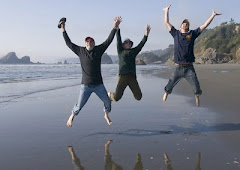
Mark heard me (see previous posting) and made an effort to lift the black veil, but then we were again caught up in the maelstrom of the medical industrial complex, with two trips to the emergency room, a terminal diagnosis, a nine-day hospital stay, and finally, a stent surgically placed in his duodenum.
All the horror stories about emergency rooms are true. To UNM Hospital, the only public hospital in the city, go all those who have no health insurance. There, too, go those with emergencies that are not dealt with by urgent care centers or doctors’ offices but are not dire enough to require an ambulance delivery, with entry through a different door (although when we were there several people who had been brought in by ambulance and seen in triage were then deposited into the waiting room). There are those who have insurance but can’t get doctors’ appointments at UNM in any timely fashion so they have to go to the ER to get the treatment they should have been getting from a doctor who would then admit them to the hospital. One of the ER doctors actually told us that his wife had been waiting four months for an appointment at one of the UNM clinics. And then there are those who are very confused and don’t know why they are there.
Once you actually get out of the waiting room and into the examination room, in this fancy new ER wing that was recently added on to the hospital, you may find yourself there for three days. We were there for 16 hours our first visit, then sent home. On the second visit we were there for about 10 hours before Mark was admitted. If he had actually been admitted during the first visit we wouldn’t have had to visit the ER twice, for a combined visit of 26 hours, for the same illness that finally got us admitted the second time. But the ER must adhere to a strict hierarchy of diagnoses that allow the most critically ill admission first, while the rest linger in exam rooms (or on the floor, where many prisoners in orange jumpsuits and shackles spent many hours) because there are not enough beds in the hospital.
Why are there no spare beds in the hospital? Because the health care system is broken beyond repair. People with preventable diseases end up in the hospital for any number of reasons. They have no insurance so they don’t go to see doctors or health care specialists who might be able to screen for early detection of these preventable diseases. When they do see a doctor, it’s not like the doctor we grew up with (those of us over 50) who came to the house, treated everyone in the family, often socialized with the family, and was able to integrate medicine with lifestyle choices and an intimacy that no longer remotely exists. When they do see a doctor, it’s usually at a for-profit clinic where the doctor’s salary is based on how many patients he or she can see in a day. So it’s in and out the door, no follow up to see if the patient is taking the doctor’s advice, taking his or her medication, or seen by whatever specialist he or she might have been referred to. And if the patient is referred to a specialist, that specialist might say to the patient, you need to go back to your primary care doctor and get a referral to see a different specialist, but no one checks up to see if that happens, either. In other words, there is woeful communication between doctors and woeful care for patients who cannot successfully navigate the complicated primary care/referral/specialist terrain of the medical industrial complex.
Even when you act as your own advocate, or have someone act as your advocate, and make every effort to work through the system as efficiently and expeditiously as possible, you are out of luck. You can’t get through by phone to doctors who are already overworked and not inclined to return phone calls. If you question their diagnosis or prescription for tests, such as the enormously expensive CT scans and MRIs, you are labeled a troublemaker and sent off to someone else or just dropped from the system. If you happen to get sick on a Friday, you know you’re going to spend your weekend in the ER. You have to get authorization from your insurance company for procedures you and your doctor decide are necessary, and if they turn you down — because, after all, don’t for-profit businesses know more about health care than you do? — you have to appeal the decision while days or weeks go by when you should be getting treatment. Health insurance rarely covers alternative treatments that patients have discovered work for them and they end up paying out of pocket fees that certain doctors or HMOs would much rather put towards a diagnostic test from which the HMO or doctor gets a kickback.
During the debate on the health care bill all of this dysfunction was argued out in Congress, in the White House, in the mainstream media, on blogs, and among those of us who have to work through the system, which is all of us at some point in our lives.
But until health care is not managed by for-profit HMOs and insurance companies the argument is moot. The ER doc who told us about his wife having to wait four months for an appointment summed the situation up very aptly when he said, “There are two kinds of health care being delivered in this country: the kind Steve Jobs gets and the kind everyone else gets.”
Sunday, February 13, 2011

Monday, February 7, 2011
Diary of a Bad Year, continued
As a precursor to the bad year I started having orthopedic problems due to arthritis and my as yet undiagnosed autoimmune condition in my mid to late 50s, and in 2008 I had thumb surgery for a painful bone spur. My recovery was slow and agonizing: a hand that wouldn’t heal and a frozen shoulder that went along with it. I finally found a sympathetic orthopedist and a talented physical therapist (hard to come by I discovered) who worked with me for over a year and finally referred me to a rheumatologist, who diagnosed my autoimmune condition, which was the underlying reason for my slow recovery. During all this time Mark nursed me, did all the chores around the house that I couldn’t, did all the driving (which is considerable, seeing as how we live an hour away from Santa Fe and 45 minutes from Taos), with very little complaining. He’d always told me that my “productivity” was intimidating (see “Productivity” blog) and I think he enjoyed being depended upon. I was still recovering from a second surgery to loosen up my arm when we assembled a crew to help us build our hoop house in April of 2009, where we planned to grow raspberries and all the warm weather crops we had trouble bringing to maturity at our 8,000 foot elevation. We have many pictures of Mark lifting, drilling, pulling the plastic sheeting over the frame, and reveling in a job well done.
By May Mark was experiencing significant stomach distress—pain and indigestion— and finally went into our local clinic in Peñasco to consult with the physician’s assistant who was his primary care doctor. Here I need to momentarily digress to discuss the one enormously lucky thing about this bad year: health insurance. Right when we started to hit our medical brick walls we found out about a state-sponsored health insurance program called State Coverage Insurance that was designed for low income and self-employed people who didn’t qualify for Medicaid or Medicare—Mark and me, in other words. We got on the plan and quickly told all our friends about it and they, too, got on the plan, which in its infancy was under enrolled (it hasn’t accepted any new enrollment in over a year). It covered all hospitalization, doctor visits, and prescriptions. If we hadn’t had this insurance I would now be over $100,000 in debt.
To continue the story, Mark was tested and treated for a common bacteria called H-Pylori with two antibiotics that wrecked his stomach even further. He continued to have stomach pain and weight loss and had to lobby both the PA and a substitute doc to forget about another course of antibiotics and send him for an endoscopy (coupled with a colonoscopy, although the pain was in his stomach, not his colon). If we hadn’t had insurance, I’m sure he would have suffered through another course of antibiotic treatment because we couldn’t have afforded the endoscopy.
The gastroenterologist conducted the colonoscopy first and found nothing unusual. Mark told me later that when they told him everything looked good in his colon he thought he was home free. When they brought me into the recovery room after the endoscopy and the doc told us both that he had been unable to get the scope beyond Mark’s stomach into his duodenum, which is the beginning of the small intestine, we entered our separate reality of vocabulary, procedures, and protocols we’d never heard of and struggled to understand.
The gastroenterologist never used the word tumor when he told us something was obstructing the passage of the scope. But he did convey a sense of urgency, that we needed to go directly to the hospital or imaging service to have a radiologist try to see what was going on. He told Mark not to eat anything but liquids until he got a diagnosis. I remember walking out to the car with one of the cheery recovery nurses, who didn’t know about the obstruction, who told Mark, I bet you’re hungry after all that fasting today so go enjoy a good meal.
That was the beginning of almost three weeks of a diet of Ensure and mounting weight loss and depression. Mark was always a skinny guy, with no extra body fat to get him through an emergency, but this was more than an emergency, it was the beginning of a long decline that would literally end in starvation.
We spent the rest of the day in the radiology department at the Santa Fe hospital where they made the mistake of giving him barium to drink, which they routinely do so they can see what’s going on inside. The barium couldn’t get through his system, however, because of the obstruction and obscured any decent x-rays of his digestive tract. There followed days of other kinds of scans that were also obscured, but a Santa Fe surgeon eventually came on board and confirmed that the most likely cause of the obstruction was a tumor on Mark’s pancreas, in the worst possible place, the head, where all the veins and arteries are located, and that he was referring Mark to the Cancer Center at the University of New Mexico Hospital. I really can’t remember whether he was the one who first mentioned the Whipple procedure, or whether we Googled pancreatic cancer and found out about it ourselves (oh, using the Internet as a source for medical information opens up that proverbial can of worms and takes you down a dangerous path of too much uninformed information, if you get my drift). The Whipple procedure is what everyone suspects Steve Jobs got when he was sick and treated in Houston, Texas (he also got a liver transplant). It’s a highly technical procedure to remove a tumor from the pancreas that involves removing parts of the stomach and bile duct and then putting everything back together. Only very specialized surgical oncologists are capable of performing it at a few places around the country.
That’s where we thought we were headed, but in the meantime we were at home, waiting for the surgical oncologist at the UNM Cancer Center to work us into his schedule. Mark continued to lose weight and we were still without a definitive diagnosis. Although we were using the words “tumor” and “cancer”, without a biopsy we still didn’t know if the tumor was benign or cancerous. We found out later that an acquaintance of ours in a neighboring village ended up getting the Whipple procedure for a pancreatic tumor that was benign.
Those were some of the darkest days of the 17 months. Mark couldn’t endure not knowing whether the tumor was cancerous and having to wait for entrance into the UNM medical industrial complex. When doctors or nurses didn’t call back immediately, he made me call them again and again or he would call again and again until he spoke with someone to impress upon them that he was starving and needed to be dealt with now, not tomorrow or next week. They assured him that the surgeon was seeing him as soon as he could work him in, and that as long as he was able to keep the Ensure, or other liquid foods down, he wasn’t starving.
Both of our sons were in Albuquerque. Jakob, the older, had moved back to New Mexico after years of working around the country as a photojournalist, was living with his partner Casey, and enrolled in a PhD program at UNM.. Max, the younger, was renting a place in Albuquerque for the summer before heading back to Claremont McKenna College in California for the fall semester. They both came up to El Valle as often as they could during those dark days to be with us, but when I was alone with Mark his depression was almost more than I could bear. He watched TV and played solitaire endlessly. He didn’t want me to play music. He wouldn’t talk to anyone, including me.
Finally, I confronted him. I told him if he couldn’t make an effort now, to maintain some equilibrium, to maintain a relationship with the kids and me while we waited for a diagnosis, there was no hope of us getting through this without irreparable emotional damage. We still didn’t know if the tumor was cancerous. Even if it was, there was the hope of surgery and follow up treatment. It was going to take all of us, in concert, to work our way through this medical maze and he was the linchpin, the one whose behavior would make or break us.
By May Mark was experiencing significant stomach distress—pain and indigestion— and finally went into our local clinic in Peñasco to consult with the physician’s assistant who was his primary care doctor. Here I need to momentarily digress to discuss the one enormously lucky thing about this bad year: health insurance. Right when we started to hit our medical brick walls we found out about a state-sponsored health insurance program called State Coverage Insurance that was designed for low income and self-employed people who didn’t qualify for Medicaid or Medicare—Mark and me, in other words. We got on the plan and quickly told all our friends about it and they, too, got on the plan, which in its infancy was under enrolled (it hasn’t accepted any new enrollment in over a year). It covered all hospitalization, doctor visits, and prescriptions. If we hadn’t had this insurance I would now be over $100,000 in debt.
To continue the story, Mark was tested and treated for a common bacteria called H-Pylori with two antibiotics that wrecked his stomach even further. He continued to have stomach pain and weight loss and had to lobby both the PA and a substitute doc to forget about another course of antibiotics and send him for an endoscopy (coupled with a colonoscopy, although the pain was in his stomach, not his colon). If we hadn’t had insurance, I’m sure he would have suffered through another course of antibiotic treatment because we couldn’t have afforded the endoscopy.
The gastroenterologist conducted the colonoscopy first and found nothing unusual. Mark told me later that when they told him everything looked good in his colon he thought he was home free. When they brought me into the recovery room after the endoscopy and the doc told us both that he had been unable to get the scope beyond Mark’s stomach into his duodenum, which is the beginning of the small intestine, we entered our separate reality of vocabulary, procedures, and protocols we’d never heard of and struggled to understand.
The gastroenterologist never used the word tumor when he told us something was obstructing the passage of the scope. But he did convey a sense of urgency, that we needed to go directly to the hospital or imaging service to have a radiologist try to see what was going on. He told Mark not to eat anything but liquids until he got a diagnosis. I remember walking out to the car with one of the cheery recovery nurses, who didn’t know about the obstruction, who told Mark, I bet you’re hungry after all that fasting today so go enjoy a good meal.
That was the beginning of almost three weeks of a diet of Ensure and mounting weight loss and depression. Mark was always a skinny guy, with no extra body fat to get him through an emergency, but this was more than an emergency, it was the beginning of a long decline that would literally end in starvation.
We spent the rest of the day in the radiology department at the Santa Fe hospital where they made the mistake of giving him barium to drink, which they routinely do so they can see what’s going on inside. The barium couldn’t get through his system, however, because of the obstruction and obscured any decent x-rays of his digestive tract. There followed days of other kinds of scans that were also obscured, but a Santa Fe surgeon eventually came on board and confirmed that the most likely cause of the obstruction was a tumor on Mark’s pancreas, in the worst possible place, the head, where all the veins and arteries are located, and that he was referring Mark to the Cancer Center at the University of New Mexico Hospital. I really can’t remember whether he was the one who first mentioned the Whipple procedure, or whether we Googled pancreatic cancer and found out about it ourselves (oh, using the Internet as a source for medical information opens up that proverbial can of worms and takes you down a dangerous path of too much uninformed information, if you get my drift). The Whipple procedure is what everyone suspects Steve Jobs got when he was sick and treated in Houston, Texas (he also got a liver transplant). It’s a highly technical procedure to remove a tumor from the pancreas that involves removing parts of the stomach and bile duct and then putting everything back together. Only very specialized surgical oncologists are capable of performing it at a few places around the country.
That’s where we thought we were headed, but in the meantime we were at home, waiting for the surgical oncologist at the UNM Cancer Center to work us into his schedule. Mark continued to lose weight and we were still without a definitive diagnosis. Although we were using the words “tumor” and “cancer”, without a biopsy we still didn’t know if the tumor was benign or cancerous. We found out later that an acquaintance of ours in a neighboring village ended up getting the Whipple procedure for a pancreatic tumor that was benign.
Those were some of the darkest days of the 17 months. Mark couldn’t endure not knowing whether the tumor was cancerous and having to wait for entrance into the UNM medical industrial complex. When doctors or nurses didn’t call back immediately, he made me call them again and again or he would call again and again until he spoke with someone to impress upon them that he was starving and needed to be dealt with now, not tomorrow or next week. They assured him that the surgeon was seeing him as soon as he could work him in, and that as long as he was able to keep the Ensure, or other liquid foods down, he wasn’t starving.
Both of our sons were in Albuquerque. Jakob, the older, had moved back to New Mexico after years of working around the country as a photojournalist, was living with his partner Casey, and enrolled in a PhD program at UNM.. Max, the younger, was renting a place in Albuquerque for the summer before heading back to Claremont McKenna College in California for the fall semester. They both came up to El Valle as often as they could during those dark days to be with us, but when I was alone with Mark his depression was almost more than I could bear. He watched TV and played solitaire endlessly. He didn’t want me to play music. He wouldn’t talk to anyone, including me.
Finally, I confronted him. I told him if he couldn’t make an effort now, to maintain some equilibrium, to maintain a relationship with the kids and me while we waited for a diagnosis, there was no hope of us getting through this without irreparable emotional damage. We still didn’t know if the tumor was cancerous. Even if it was, there was the hope of surgery and follow up treatment. It was going to take all of us, in concert, to work our way through this medical maze and he was the linchpin, the one whose behavior would make or break us.
Sunday, January 30, 2011
Diary of a Bad Year
I’m stealing the title of J.M. Coetzee’s book because I can’t actually steal the book, or come close to writing with the intensity, intelligence, and grace of which he is capable. And my subject matter is more literal: while it’s actually been 17 months, my bad year dates back to the beginning of Mark’s illness, when it became obvious that he was seriously sick. The diagnosis of nonresectable (meaning inoperable) pancreatic cancer came in August 2009, with a life expectancy of one to two years. He died on November 27, 2010.
I haven’t really kept a diary. I’ve written tangentially about the abysmal state of the medical industrial complex, much of it gleaned from experience in emergency rooms and hospitals and chemotherapy clinics, but I haven’t documented the day to day reality that was our lives. Or unreality, whichever it is. (In one of the last group e-mails I sent out to family and friends I said, “I find it’s increasingly difficult to write these updates. It’s almost as if Mark and I are in a separate reality—I use the term ‘reality’ in all its subjectivity, although as a pragmatist I have to assign some meaning to it.”) So the question is, how does one live with one’s mortality staring him in the face? I can’t answer that question, obviously, but I can try to describe how I lived with his staring me in the face.
Before I take that leap, however, let me make a list of all the other things that happened during this bad year. In October of 2009 my younger sister killed herself after years of suffering with fibromyalgia. In November Mark and his mother had a falling out and he decided he wanted to terminate any relationship with her and he did. In January of 2010 I was finally diagnosed with CREST syndrome, an autoimmune disease that affects connective tissue and causes a lot pain in my neck and hands. In May I had a recurrence of vertigo, which I’ve had intermittently for 30 years. While in the past it’s always been the positional type, where particles in the inner ear come lose and cause you to become dizzy when you move your head too quickly from side to side, this time the dizziness was constant, no matter what position my head was in, and it lasted most of the summer, in varying degrees of intensity. The ear, nose, and throat doc thinks I may have Méniere’s disease, which is caused by fluid in the ear, as well as positional vertigo. In September our dog Sammy, who is completely deaf, almost died when one of his benign fatty cysts got infected and spread venom throughout his system. But it broke and drained and he lived. In October, our cat Mavis, who slept with us every night and provided much love and comfort, didn’t come in one afternoon and disappeared forever. During the entire 17 months I watched our dog Django, who is 14, become increasingly crippled with arthritis, wondering, “Is she going to last through the summer?” and then, “Is she going to outlast Mark?” She also has a weak bladder and has to take estrogen to keep from peeing all over the house. I’m sure I’m missing some other events, but these are the salient ones.
Thinking about all this has kept me from thinking about Mark and how I want to go about telling our story. I know I don’t want it to be another cancer lament, using words like “battle” and “valiant fight” to describe what happened over his year and a half of living, filled with much sickness but also energy, connection, and good feeling. I know I want to protect his privacy, as I did in my group e-mails, which detailed the bare facts of his illness and the course it took. But I do want to talk about how I lost a partner of 34 years slowly, and incrementally, as he withdrew into a world no one else could share despite our physical closeness and frank conversations about his dying and my living.
This is the first posting of Diary of a Bad Year, which I will continue with over the next few months, interspersed with other postings more in the vain of what I’ve been doing since I started blogging in 2009.
I haven’t really kept a diary. I’ve written tangentially about the abysmal state of the medical industrial complex, much of it gleaned from experience in emergency rooms and hospitals and chemotherapy clinics, but I haven’t documented the day to day reality that was our lives. Or unreality, whichever it is. (In one of the last group e-mails I sent out to family and friends I said, “I find it’s increasingly difficult to write these updates. It’s almost as if Mark and I are in a separate reality—I use the term ‘reality’ in all its subjectivity, although as a pragmatist I have to assign some meaning to it.”) So the question is, how does one live with one’s mortality staring him in the face? I can’t answer that question, obviously, but I can try to describe how I lived with his staring me in the face.
Before I take that leap, however, let me make a list of all the other things that happened during this bad year. In October of 2009 my younger sister killed herself after years of suffering with fibromyalgia. In November Mark and his mother had a falling out and he decided he wanted to terminate any relationship with her and he did. In January of 2010 I was finally diagnosed with CREST syndrome, an autoimmune disease that affects connective tissue and causes a lot pain in my neck and hands. In May I had a recurrence of vertigo, which I’ve had intermittently for 30 years. While in the past it’s always been the positional type, where particles in the inner ear come lose and cause you to become dizzy when you move your head too quickly from side to side, this time the dizziness was constant, no matter what position my head was in, and it lasted most of the summer, in varying degrees of intensity. The ear, nose, and throat doc thinks I may have Méniere’s disease, which is caused by fluid in the ear, as well as positional vertigo. In September our dog Sammy, who is completely deaf, almost died when one of his benign fatty cysts got infected and spread venom throughout his system. But it broke and drained and he lived. In October, our cat Mavis, who slept with us every night and provided much love and comfort, didn’t come in one afternoon and disappeared forever. During the entire 17 months I watched our dog Django, who is 14, become increasingly crippled with arthritis, wondering, “Is she going to last through the summer?” and then, “Is she going to outlast Mark?” She also has a weak bladder and has to take estrogen to keep from peeing all over the house. I’m sure I’m missing some other events, but these are the salient ones.
Thinking about all this has kept me from thinking about Mark and how I want to go about telling our story. I know I don’t want it to be another cancer lament, using words like “battle” and “valiant fight” to describe what happened over his year and a half of living, filled with much sickness but also energy, connection, and good feeling. I know I want to protect his privacy, as I did in my group e-mails, which detailed the bare facts of his illness and the course it took. But I do want to talk about how I lost a partner of 34 years slowly, and incrementally, as he withdrew into a world no one else could share despite our physical closeness and frank conversations about his dying and my living.
This is the first posting of Diary of a Bad Year, which I will continue with over the next few months, interspersed with other postings more in the vain of what I’ve been doing since I started blogging in 2009.
Friday, November 12, 2010
The Best and the Brightest (According to the Sunday New York Times Styles Section)
Synchronicity! On the very day I sat down to start writing about all the beautiful people announcing their marriages in the Sunday New York Times Styles Section I happened to read the Opinion Section where the Public Editor addressed a question from a reader that was the very same question I wanted to ask: “How do editors select which announcements to publish, and why don’t editors make a sustained effort to include different types of couples?”
OK, I only wanted to ask the first part of this question about how editors select which announcements to publish because I know better than to ask why they don’t make an effort to include other kinds of couples besides lawyers who graduate magna cum laude from Harvard Law School and now work for Wall Street investment firms or doctors who are doing their residency at the University of Pennsylvania in gastroenterology. In the intense competition among all these power couples who want their announcements to appear in the NYT Styles Section I figured it’s the beauties over the uglies, the Harvards and Yales over the Oberlins, and the Greenwich parents over Newark who get the nod.
But lo and behold, according to the Public Editor, the criterion is none of these: it’s achievement. “The only truly fair way to select one submission over another is on the basis of achievement.” Nietzsche lives! (You have to excuse me, I’m still reading his Philosophical Biography). The elite are defined by their will to power, especially those who manage to make their way out of the herd and end up at the “top of their medical school class at Yale or Stanford,” as the Public Editor explained it.
So I decided to submit a marriage for publication that might give the Weddings /Celebrations editors pause, at least in terms of their definition of achievement, and might give the rest of us out here in the herd someone we can identify with.
“On March 20, at the lovely farm of the groom’s family in upstate New York (I guess one of the criteria for publication is that the couple has some connection to New York, but I’m really talking about anywhere in rural America) so and so and so and so married themselves with their extended family members, their intimate comrades in arms, their three dogs, two cats, and tank of tropical fish in attendance (the cattle, horse, and chickens were confined to the field). They both will retain their own names even though they are their father’s names but it’s too late to do anything about that and anyway, everybody has always known them by those names.
So and so’s parents own the local grocery store where they have kept accounts for as long as twenty years for the down and out folks in the community who live month to month on their social security or disability checks. The other so and so’s parents drove in from New Mexico where they work as farriers and create magnificent iron sculptures on the side.
The happy couple has a long employment history that includes waitressing at a swank restaurant in the neighboring town, working for the Forest Service as seasonal patrols telling people to put out their campfires during times of drought, substitute teaching in the local high school while reporting on sports for the local newspaper, writing articles for various other local newspapers about whatever they can come up with on a day’s notice, canvassing for the Service Worker’s Union, growing great garlic that they sell to the local food stores, working construction on all their neighbors’ houses so their neighbors will work construction on their house, and most recently, and thanklessly, as members of the school board even though they don’t have any kids yet and might not because as anyone with a brain can see things are getting worse, not better.
They love to tell the story of how they met. One day so and so went over to a friend’s house down the road for a visit with her/his dogs and the other so and so was also there visiting and had to run into the house when the first so and so’s dogs started barking at him/her, which kinda pissed him/her off, but he/she also kinda liked the first so and so and thought she/he had an especially nice butt. He/she started dropping by the first so and so’s house around breakfast time but she/he rarely invited him/her to eat, so they didn’t make much progress. Then he/she got up his/her gumption, however, and invited the first so and so on a real date: they went to the State Fair. But then when they got back to the first so and so’s house, where the second so and so had high hopes for a kiss, they got into an argument on the nature of inspiration and the first so and so kicked the second so and so out of her/his house. But the second so and so was tenacious, and when the first so and so started working in the fire lookout for the summer he/she went up to visit and those Desolation Peak fantasies were too much for both of them and they kissed. The rest is history.
OK, I only wanted to ask the first part of this question about how editors select which announcements to publish because I know better than to ask why they don’t make an effort to include other kinds of couples besides lawyers who graduate magna cum laude from Harvard Law School and now work for Wall Street investment firms or doctors who are doing their residency at the University of Pennsylvania in gastroenterology. In the intense competition among all these power couples who want their announcements to appear in the NYT Styles Section I figured it’s the beauties over the uglies, the Harvards and Yales over the Oberlins, and the Greenwich parents over Newark who get the nod.
But lo and behold, according to the Public Editor, the criterion is none of these: it’s achievement. “The only truly fair way to select one submission over another is on the basis of achievement.” Nietzsche lives! (You have to excuse me, I’m still reading his Philosophical Biography). The elite are defined by their will to power, especially those who manage to make their way out of the herd and end up at the “top of their medical school class at Yale or Stanford,” as the Public Editor explained it.
So I decided to submit a marriage for publication that might give the Weddings /Celebrations editors pause, at least in terms of their definition of achievement, and might give the rest of us out here in the herd someone we can identify with.
“On March 20, at the lovely farm of the groom’s family in upstate New York (I guess one of the criteria for publication is that the couple has some connection to New York, but I’m really talking about anywhere in rural America) so and so and so and so married themselves with their extended family members, their intimate comrades in arms, their three dogs, two cats, and tank of tropical fish in attendance (the cattle, horse, and chickens were confined to the field). They both will retain their own names even though they are their father’s names but it’s too late to do anything about that and anyway, everybody has always known them by those names.
So and so’s parents own the local grocery store where they have kept accounts for as long as twenty years for the down and out folks in the community who live month to month on their social security or disability checks. The other so and so’s parents drove in from New Mexico where they work as farriers and create magnificent iron sculptures on the side.
The happy couple has a long employment history that includes waitressing at a swank restaurant in the neighboring town, working for the Forest Service as seasonal patrols telling people to put out their campfires during times of drought, substitute teaching in the local high school while reporting on sports for the local newspaper, writing articles for various other local newspapers about whatever they can come up with on a day’s notice, canvassing for the Service Worker’s Union, growing great garlic that they sell to the local food stores, working construction on all their neighbors’ houses so their neighbors will work construction on their house, and most recently, and thanklessly, as members of the school board even though they don’t have any kids yet and might not because as anyone with a brain can see things are getting worse, not better.
They love to tell the story of how they met. One day so and so went over to a friend’s house down the road for a visit with her/his dogs and the other so and so was also there visiting and had to run into the house when the first so and so’s dogs started barking at him/her, which kinda pissed him/her off, but he/she also kinda liked the first so and so and thought she/he had an especially nice butt. He/she started dropping by the first so and so’s house around breakfast time but she/he rarely invited him/her to eat, so they didn’t make much progress. Then he/she got up his/her gumption, however, and invited the first so and so on a real date: they went to the State Fair. But then when they got back to the first so and so’s house, where the second so and so had high hopes for a kiss, they got into an argument on the nature of inspiration and the first so and so kicked the second so and so out of her/his house. But the second so and so was tenacious, and when the first so and so started working in the fire lookout for the summer he/she went up to visit and those Desolation Peak fantasies were too much for both of them and they kissed. The rest is history.
Thursday, October 21, 2010
Productivity
“Without productivity, life is worthless and unbearable.” This is Friedrich Nietzsche, who, remember, went completely mad (I’m reading A Philosophical Biography of Friedrich Nietzsche by Julian Young). He did get to live in posterity, both worshipped and maligned, but I wonder how things might have turned out for him if he’d spent a little less time trying to figure out the meaning of life (to be fair, he was also trying to figure out how to have a peaceful and pleasant life).
My partner Mark used to tell me that my “productivity” intimidated him. I’m not sure he meant productivity in the sense of “producing” things, like novels and magazine articles or gourmet dinners and cherry pies, but my “busyness.” Because here’s the thing. Even though I’ve almost always worked at home, setting my own schedule and creating my own agenda, I’ve also had a rule that during the day I do not sit down and read a book. Now, that doesn’t mean I don’t read things during the day like information related to whatever article I’m writing, Environmental Impact Statements for whatever issue I’m dissecting, other people’s books that I’m editing, etc. But reading a novel, biography, or philosophical treatise is reserved for in the mornings with my coffee and after dinner until bed. I manage to get a lot of books read in those hours, but what in the world makes me think that there is something wrong with sometimes sitting down during the day and reading a book?
I don’t have weekends for reading books, either. Because of my self-employment I don’t really have Saturday and Sunday off. I take days off here and there, to go for a hike or ski or go to town for a movie or lunch, but there’s no designated day for lying around the house reading or watching TV, heaven forbid. Does it mean that I think life is worthless without productivity? Sort of. If productivity means using your individual talents to the best of your ability to create something that is uniquely yours or contributes to the common good or taxes your brain and body, then I’m definitely a fan of productivity. Again, according to Nietzsche: the well being of society is better promoted by everyone pursuing her own “highest good,” or becoming an “enlightened egoist.” If productivity means feeling that you have to constantly be doing something to prove your worth, then I think you’ve got a problem. Or I’ve got a problem.
This has become more obvious to me as I’ve gotten older. It’s a byproduct of having to look back instead of forward and make certain assessments about the outcome of your productivity. If an assessment of the outcome makes you say, “I never really did the things I wanted to do” or “I was never able to effect the changes I wanted” or “what I produced is a pile of shit,” then you better adopt the postmodern position immediately that all things are relative and there is no ultimate achievement or progress. That way your life can’t have been meaningless because there’s no such thing. You need to watch Casablanca again and listen to Rick when he tells Captain Renault, “Our lives don’t amount to a hill of beans.”
It was easier to live with that kind of attitude when I was younger. I have a kind of plodding personality that once I decide upon a course of action, say that of my organizing work that led to La Jicarita News, the radical rag I’ve written and edited with Mark for 15 years, I stay the course no matter how many battles we lose, no matter how many allies fall by the wayside, no matter how many nasty letters and e-mails and phones calls we get from the opposition. And there’s been plenty of that. But somehow I always manage to see as what I do is in my “self-interest” to further the “common good”
But now, as I face the fact that I’m going to retire La Jicarita News because of health issues and the fact that my energy has flagged with age, I can’t keep those nagging assessments out of my head. While I doubt that I would have ever made the choice to be a “professional” so that right about now I’d be looking at a well deserved retirement along with the rest of my baby boom cohort, I could have made other choices: committing much more time to creative writing and publishing, learning how to play the piano really well, traveling much more often to Latin America and speaking fluent Spanish (a more peaceful and pleasant life),
But I do appreciate the small changes I did effect, even if they only amount to changing someone’s life by knowing me or sharing in the work we did. And I don’t think I produced a pile of shit. I could have spent more time perfecting what I produced and been more confident about it, but I guess I had no burning desire to “prove” my self worth and leave something to posterity. So I guess I’ll muddle through this new phase in my life with the same mulish behavior that got me here, for better or worse. And maybe, just maybe, I can finish the Nietzsche biography and start that John Berger book in the middle of the day lying on the couch. Oh, what possibilities.
My partner Mark used to tell me that my “productivity” intimidated him. I’m not sure he meant productivity in the sense of “producing” things, like novels and magazine articles or gourmet dinners and cherry pies, but my “busyness.” Because here’s the thing. Even though I’ve almost always worked at home, setting my own schedule and creating my own agenda, I’ve also had a rule that during the day I do not sit down and read a book. Now, that doesn’t mean I don’t read things during the day like information related to whatever article I’m writing, Environmental Impact Statements for whatever issue I’m dissecting, other people’s books that I’m editing, etc. But reading a novel, biography, or philosophical treatise is reserved for in the mornings with my coffee and after dinner until bed. I manage to get a lot of books read in those hours, but what in the world makes me think that there is something wrong with sometimes sitting down during the day and reading a book?
I don’t have weekends for reading books, either. Because of my self-employment I don’t really have Saturday and Sunday off. I take days off here and there, to go for a hike or ski or go to town for a movie or lunch, but there’s no designated day for lying around the house reading or watching TV, heaven forbid. Does it mean that I think life is worthless without productivity? Sort of. If productivity means using your individual talents to the best of your ability to create something that is uniquely yours or contributes to the common good or taxes your brain and body, then I’m definitely a fan of productivity. Again, according to Nietzsche: the well being of society is better promoted by everyone pursuing her own “highest good,” or becoming an “enlightened egoist.” If productivity means feeling that you have to constantly be doing something to prove your worth, then I think you’ve got a problem. Or I’ve got a problem.
This has become more obvious to me as I’ve gotten older. It’s a byproduct of having to look back instead of forward and make certain assessments about the outcome of your productivity. If an assessment of the outcome makes you say, “I never really did the things I wanted to do” or “I was never able to effect the changes I wanted” or “what I produced is a pile of shit,” then you better adopt the postmodern position immediately that all things are relative and there is no ultimate achievement or progress. That way your life can’t have been meaningless because there’s no such thing. You need to watch Casablanca again and listen to Rick when he tells Captain Renault, “Our lives don’t amount to a hill of beans.”
It was easier to live with that kind of attitude when I was younger. I have a kind of plodding personality that once I decide upon a course of action, say that of my organizing work that led to La Jicarita News, the radical rag I’ve written and edited with Mark for 15 years, I stay the course no matter how many battles we lose, no matter how many allies fall by the wayside, no matter how many nasty letters and e-mails and phones calls we get from the opposition. And there’s been plenty of that. But somehow I always manage to see as what I do is in my “self-interest” to further the “common good”
But now, as I face the fact that I’m going to retire La Jicarita News because of health issues and the fact that my energy has flagged with age, I can’t keep those nagging assessments out of my head. While I doubt that I would have ever made the choice to be a “professional” so that right about now I’d be looking at a well deserved retirement along with the rest of my baby boom cohort, I could have made other choices: committing much more time to creative writing and publishing, learning how to play the piano really well, traveling much more often to Latin America and speaking fluent Spanish (a more peaceful and pleasant life),
But I do appreciate the small changes I did effect, even if they only amount to changing someone’s life by knowing me or sharing in the work we did. And I don’t think I produced a pile of shit. I could have spent more time perfecting what I produced and been more confident about it, but I guess I had no burning desire to “prove” my self worth and leave something to posterity. So I guess I’ll muddle through this new phase in my life with the same mulish behavior that got me here, for better or worse. And maybe, just maybe, I can finish the Nietzsche biography and start that John Berger book in the middle of the day lying on the couch. Oh, what possibilities.
Sunday, October 3, 2010
Baby Boom Regret
What follows is based on anecdotal, not empirical, evidence, at least the part about my baby boom cohort. But by the time I’m done you may want to eschew empiricism with the same abandonment we eschewed feudalism, monarchy, republicanism, and social democracy (at least those of us who think The Nation is wimpy).
My partner Mark is 62 and has pancreatic cancer. Our friend Richard is in his early sixties and had surgery for prostate cancer. Our friend Alan, who is in his fifties, lost a kidney to cancer. Gilbert, our neighbor, who in his sixties and a former Los Alamos National Laboratory subcontractor, also had kidney cancer. My friend Emma’s sister, who is fifty, has colon cancer. I am 60 and have an autoimmune condition called CREST syndrome. My brother-in-law has suffered from psoriatic rheumatism, another autoimmune disease, since his fifties. My sister was diagnosed with fibromyalgia in her late forties. The local postmistress, in her fifties, has lupus.
The list goes on and on, but what stands out about it are the predominant ages: fifties and sixties. Cancer and autoimmune diseases have been around for a long time, of course. But the frequency of their occurrence in my generation, the baby boomers, seems to me to indicate a causal relationship. Our post-World War II generation was largely bottle-fed, as the formula industry, in concert with the gynecological industry, convinced mothers (and fathers) that breast feeding was unnecessary. So our first line of defense—mother’s milk—was compromised right out of the womb (and now we know cancer causing chemicals leach from the plastic used in bottles). The formula industry, of course, was just part of the food industry in general, which proceeded to package our food for mass consumption by adding artificial colors, preservatives, and flavors made with cancer causing chemicals. The farms that produced the food also became highly industrialized as well, and the cancer causing pesticides and herbicides necessary to support that industrialization entered the food chain in massive doses.
This has all been documented in books like Silent Spring, Fast Food Nation, and Omnivore’s Dilemma, so I won’t belabor the point. Combined with an exponential increase in air pollutants, as urban areas became clogged with cars and the entire country was contaminated by energy and manufacturing development, baby boomers were clobbered from all sides. I’m afraid the environmental safeguards that were promulgated in the 1970s with the passage of government regulatory laws (the Clean Air Act, Clean Water Act, etc.) were too little, too late.
So what we’ve been exposed to by scientific (chemical), medical (gynecologists), and industrial (power plants) development, all in the name of progress, seems to be killing us. Whereas previously we died in massive numbers because of the lack of scientific discoveries like penicillin and medical inventions like angioplasties, now we’re dying in massive numbers (when you count the number of people who are dying not just from cancer and autoimmune diseases but industrial pollution and accidents, the number is massive) because of technological poisons. I can’t take the long view on this, that every generation has suffered its particular burdens, because this is my generation Most of our parents lived into their seventies and eighties (never exercising, drinking martinis). Many of us will not. That may not be such a bad thing, when I see the individual suffering of those kept alive by medical intervention and the burden that places on society as a whole. But we’re suffering, too, both physically and emotionally. We’ll probably be the butt of many jokes regarding our slogan—“Don’t trust anyone over 30” — and our delusions of immortality, but despite our excesses and self-indulgence, we developed a conscience and decided as adults to breast feed our babies, grow organic food, and riot for revolution. We were too preoccupied being active, political, and creative to see this coming.
My partner Mark is 62 and has pancreatic cancer. Our friend Richard is in his early sixties and had surgery for prostate cancer. Our friend Alan, who is in his fifties, lost a kidney to cancer. Gilbert, our neighbor, who in his sixties and a former Los Alamos National Laboratory subcontractor, also had kidney cancer. My friend Emma’s sister, who is fifty, has colon cancer. I am 60 and have an autoimmune condition called CREST syndrome. My brother-in-law has suffered from psoriatic rheumatism, another autoimmune disease, since his fifties. My sister was diagnosed with fibromyalgia in her late forties. The local postmistress, in her fifties, has lupus.
The list goes on and on, but what stands out about it are the predominant ages: fifties and sixties. Cancer and autoimmune diseases have been around for a long time, of course. But the frequency of their occurrence in my generation, the baby boomers, seems to me to indicate a causal relationship. Our post-World War II generation was largely bottle-fed, as the formula industry, in concert with the gynecological industry, convinced mothers (and fathers) that breast feeding was unnecessary. So our first line of defense—mother’s milk—was compromised right out of the womb (and now we know cancer causing chemicals leach from the plastic used in bottles). The formula industry, of course, was just part of the food industry in general, which proceeded to package our food for mass consumption by adding artificial colors, preservatives, and flavors made with cancer causing chemicals. The farms that produced the food also became highly industrialized as well, and the cancer causing pesticides and herbicides necessary to support that industrialization entered the food chain in massive doses.
This has all been documented in books like Silent Spring, Fast Food Nation, and Omnivore’s Dilemma, so I won’t belabor the point. Combined with an exponential increase in air pollutants, as urban areas became clogged with cars and the entire country was contaminated by energy and manufacturing development, baby boomers were clobbered from all sides. I’m afraid the environmental safeguards that were promulgated in the 1970s with the passage of government regulatory laws (the Clean Air Act, Clean Water Act, etc.) were too little, too late.
So what we’ve been exposed to by scientific (chemical), medical (gynecologists), and industrial (power plants) development, all in the name of progress, seems to be killing us. Whereas previously we died in massive numbers because of the lack of scientific discoveries like penicillin and medical inventions like angioplasties, now we’re dying in massive numbers (when you count the number of people who are dying not just from cancer and autoimmune diseases but industrial pollution and accidents, the number is massive) because of technological poisons. I can’t take the long view on this, that every generation has suffered its particular burdens, because this is my generation Most of our parents lived into their seventies and eighties (never exercising, drinking martinis). Many of us will not. That may not be such a bad thing, when I see the individual suffering of those kept alive by medical intervention and the burden that places on society as a whole. But we’re suffering, too, both physically and emotionally. We’ll probably be the butt of many jokes regarding our slogan—“Don’t trust anyone over 30” — and our delusions of immortality, but despite our excesses and self-indulgence, we developed a conscience and decided as adults to breast feed our babies, grow organic food, and riot for revolution. We were too preoccupied being active, political, and creative to see this coming.
Saturday, August 28, 2010
My Summer Job
I was listening to NPR the other day and there were these people describing what their summer jobs, oh so many years ago, meant to them in terms of life lessons. It seems that NPR is running a series on summer jobs and soliciting stories from all of us nobodies out in radioland. But rather than go through that process—I already know what it takes to get on NPR’s Click and Clack show, which my son did with his story about the time we were driving down from Mount Lassen and he decided to toot his horn at the slowpoke ahead of us . . . but that’s another story—I’m going to post my story here, where I don’t have to audition.
I learned to swim at the local YMCA and by the time I was 16 had my Red Cross Life Saving and Water Safety Instructor credentials under my belt. So now that I could also be legally employed, there was no question that I would try for life guarding at a pool; no bussing, waitressing, or housecleaning for me. I don’t remember how I got the job, but it was a lifeguard’s dream: a motel swimming pool in Manitou, the resort community “nestled at the foot of Pikes Peak,” where hardly anyone ever swam. The motel was owned by an older couple, who I’ll call Harvey and Helen Oakley, probably the only motel owners in town who provided a lifeguard for their guests. The motel had been in the family for a couple of generations, and apparently Harvey’s mother had run it in grand style, with evening barbecues and weekend square dances for the Midwest clientele that came back every year to enjoy the Rocky Mountains. After Harvey and Helen inherited the place, though, tourists seemed to prefer the newer motels with hot tub jacuzzies, and their old fashioned lodge, with no attendant restaurant or fancy features, was losing business.
But this meant nothing to me, at least at first, because all I had to do was show up in my bathing suit and sit out in the sun waiting for the occasional guest to take a dip. Helen never emerged from inside the motel where she smoked Camels and kept the books, but Harvey would come out periodically to check on me, apologize that there wasn’t much for me to do, I must be bored, and bring me sandwiches from the restaurant across the street.
Then Edward showed up. Edward was Harvey and Helen’s 14-year old son and was truly weird. He had pale, peaches and cream skin and jet-black hair that fell across his forehead and over his ears. He dressed only in black: black pants, black turtleneck, black fedora. I learned later that several of his bedroom walls were also painted black, while the remaining ones were covered with posters of Bela Logosi and Lon Chaney. At first Edward wouldn’t talk to me, he’d just come out and walk around the pool and look at me and act really annoyed if one of my friends was there hanging around with me. That was another perk that Harvey provided; permission to have my friends come swimming while I was on duty. I was just getting involved with one of the jet setters, what we called the older boys in high school who were the first to smoke dope and drop acid, and I was beside myself with nervousness when he began to show up at the pool to smoke cigarettes with me and laze around in the water. One day while he was there Edward showed up and jumped into the pool with all his clothes on; Harvey had to come out and apologize for his behavior, finally convincing him to get out of the water with the promise of a new guitar.
I was a kind person, even back then at the mixed-up age of 16, and I quickly befriended Edward, as I knew he desperately needed one. He used to show up at noon, after staying up late playing guitar or watching old horror movies, and Harvey would come out, lock up the pool, and send us across the street for lunch, which he paid for. Then Edward and I would play gin rummy all afternoon around the pool, waiting for guests. I finally persuaded Edward to swim without his clothes on (with trunks and a T-shirt) and I helped him practice his strokes. He’d still get pissed off when my boyfriend showed up on his way to work—he watered one of the local golf courses in the evening after everyone had left and would often take me for rides on the golf carts racing through the sprinklers—but resigned himself to going inside and bothering his parents until the boyfriend left. Then, unless I had to be home early or was going on a date, Edward and I would head back across the street to dinner.
This scenario played itself out over the course of two summers. For the second summer I got Harvey to hire all my girlfriends as maids. But also during that second summer Helen became ill and died of lung cancer. Everything quickly fell to pieces. After the funeral, Harvey took the night shift so he could drink without anyone knowing. Edward spent more and more time locked in his room with his stereo blaring, adrift at a tender age when he especially needed loving, involved parents. At the end of the summer Harvey sold the motel to a couple from Texas, who promptly fired me, having no intention of providing a lifeguard. They kept me on only long enough to teach them how to backwash the filter system, which I did every morning before opening the pool. Then, in a moment of contrition, they hired me as a maid. That lasted about a week, until one day I apparently put a bedspread on sideways, and between the time I left for the afternoon and drove home they called my mother and told her I was fired. When she told me, I immediately got back in the car, drove back to the motel, and told the Texans that if they were going to fire me they better do it to my face, which they did.
So did I learn a life lesson from this? As I said in my blog post called “Self Image,” maybe this experience helped me learn to “do what I want, say what I want, and expect results.” While I didn’t get the result of getting my job back (who wanted to be a maid anyway), I did get the satisfaction of telling someone what’s what, and knowing how to do that, my friends, is indeed worth learning.
I learned to swim at the local YMCA and by the time I was 16 had my Red Cross Life Saving and Water Safety Instructor credentials under my belt. So now that I could also be legally employed, there was no question that I would try for life guarding at a pool; no bussing, waitressing, or housecleaning for me. I don’t remember how I got the job, but it was a lifeguard’s dream: a motel swimming pool in Manitou, the resort community “nestled at the foot of Pikes Peak,” where hardly anyone ever swam. The motel was owned by an older couple, who I’ll call Harvey and Helen Oakley, probably the only motel owners in town who provided a lifeguard for their guests. The motel had been in the family for a couple of generations, and apparently Harvey’s mother had run it in grand style, with evening barbecues and weekend square dances for the Midwest clientele that came back every year to enjoy the Rocky Mountains. After Harvey and Helen inherited the place, though, tourists seemed to prefer the newer motels with hot tub jacuzzies, and their old fashioned lodge, with no attendant restaurant or fancy features, was losing business.
But this meant nothing to me, at least at first, because all I had to do was show up in my bathing suit and sit out in the sun waiting for the occasional guest to take a dip. Helen never emerged from inside the motel where she smoked Camels and kept the books, but Harvey would come out periodically to check on me, apologize that there wasn’t much for me to do, I must be bored, and bring me sandwiches from the restaurant across the street.
Then Edward showed up. Edward was Harvey and Helen’s 14-year old son and was truly weird. He had pale, peaches and cream skin and jet-black hair that fell across his forehead and over his ears. He dressed only in black: black pants, black turtleneck, black fedora. I learned later that several of his bedroom walls were also painted black, while the remaining ones were covered with posters of Bela Logosi and Lon Chaney. At first Edward wouldn’t talk to me, he’d just come out and walk around the pool and look at me and act really annoyed if one of my friends was there hanging around with me. That was another perk that Harvey provided; permission to have my friends come swimming while I was on duty. I was just getting involved with one of the jet setters, what we called the older boys in high school who were the first to smoke dope and drop acid, and I was beside myself with nervousness when he began to show up at the pool to smoke cigarettes with me and laze around in the water. One day while he was there Edward showed up and jumped into the pool with all his clothes on; Harvey had to come out and apologize for his behavior, finally convincing him to get out of the water with the promise of a new guitar.
I was a kind person, even back then at the mixed-up age of 16, and I quickly befriended Edward, as I knew he desperately needed one. He used to show up at noon, after staying up late playing guitar or watching old horror movies, and Harvey would come out, lock up the pool, and send us across the street for lunch, which he paid for. Then Edward and I would play gin rummy all afternoon around the pool, waiting for guests. I finally persuaded Edward to swim without his clothes on (with trunks and a T-shirt) and I helped him practice his strokes. He’d still get pissed off when my boyfriend showed up on his way to work—he watered one of the local golf courses in the evening after everyone had left and would often take me for rides on the golf carts racing through the sprinklers—but resigned himself to going inside and bothering his parents until the boyfriend left. Then, unless I had to be home early or was going on a date, Edward and I would head back across the street to dinner.
This scenario played itself out over the course of two summers. For the second summer I got Harvey to hire all my girlfriends as maids. But also during that second summer Helen became ill and died of lung cancer. Everything quickly fell to pieces. After the funeral, Harvey took the night shift so he could drink without anyone knowing. Edward spent more and more time locked in his room with his stereo blaring, adrift at a tender age when he especially needed loving, involved parents. At the end of the summer Harvey sold the motel to a couple from Texas, who promptly fired me, having no intention of providing a lifeguard. They kept me on only long enough to teach them how to backwash the filter system, which I did every morning before opening the pool. Then, in a moment of contrition, they hired me as a maid. That lasted about a week, until one day I apparently put a bedspread on sideways, and between the time I left for the afternoon and drove home they called my mother and told her I was fired. When she told me, I immediately got back in the car, drove back to the motel, and told the Texans that if they were going to fire me they better do it to my face, which they did.
So did I learn a life lesson from this? As I said in my blog post called “Self Image,” maybe this experience helped me learn to “do what I want, say what I want, and expect results.” While I didn’t get the result of getting my job back (who wanted to be a maid anyway), I did get the satisfaction of telling someone what’s what, and knowing how to do that, my friends, is indeed worth learning.
Subscribe to:
Posts (Atom)